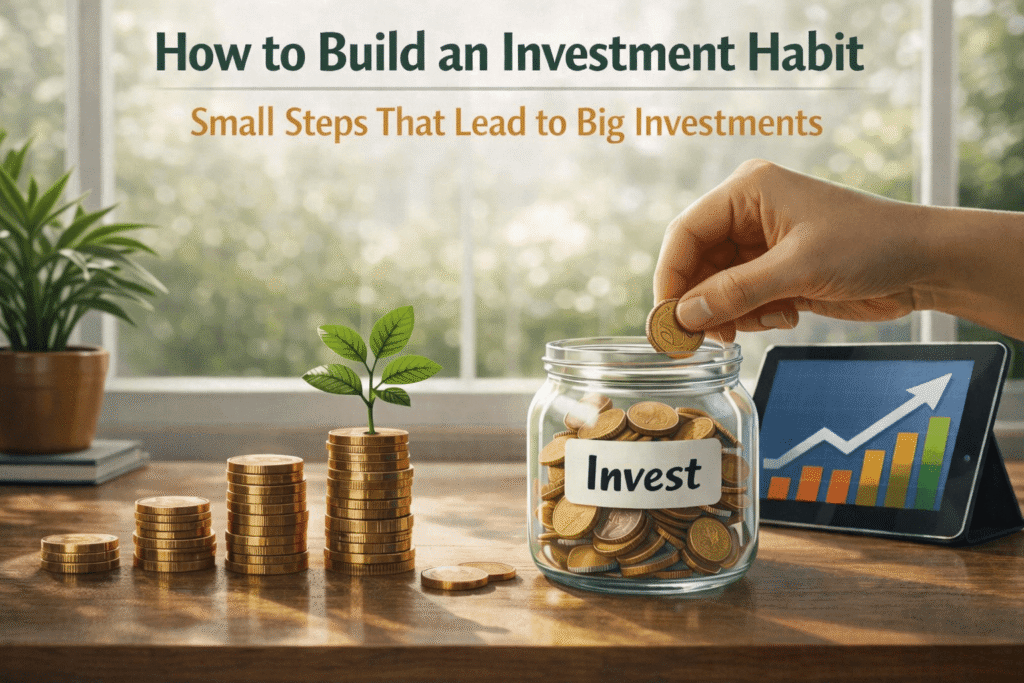
Learning how to build an investment habit is one of the most important steps in building wealth. Most people don’t avoid investing because they don’t believe in it, they avoid it because they believe they’re not ready
They tell themselves they’ll start when their income increases. When their savings feel “serious.” When life becomes less demanding.
But while they’re waiting, something quietly slips away, time. And in investing, time is far more powerful than money.
This is where everything begins to shift. Because building wealth isn’t about making one large move. It’s about building an investment habit, one small, consistent action repeated over time until it becomes automatic.
And once that habit is in place, something remarkable happens. Small savings begin to turn into meaningful investments. Slowly at first, then steadily, then powerfully.
Why Building an Investment Habit Changes Everything
Think about the habits you already have. The things you do without thinking. Brushing your teeth. Checking your phone. Making your morning coffee.
At some point, those actions required effort. Now they happen automatically.
Investing works the same way, you need to develop an investment habit
When investing is not yet a habit, it feels like a decision. Something you have to think about. Something you can postpone. Something you can avoid.
But once it becomes a habit, it stops feeling like effort.
You no longer wait for the “right time.” You no longer debate whether to invest. You simply do it.
And this is the real advantage, not the amount you invest, but the consistency behind it.
Over time, consistent investing creates momentum. And momentum, when combined with time, creates growth.
This is why so many people who build wealth aren’t necessarily those who started with the most money, but those who started with the most consistency.
If you’re just starting your journey, it helps to understand the bigger picture of how wealth is built over time. A strong foundation makes everything else easier.
Just beginning you financial freedom journey? Read: Financial Freedom for Beginners: Where to Start
The Quiet Power Behind Investing Small Amounts
At the beginning, investing small amounts can feel underwhelming.
You might wonder how something like $20, $50, or $100 could ever lead to anything significant.
But even small savings investing changes the nature of money.
When money is saved, it stays the same. When money is invested, it starts working.
And when it works, it grows. Then that growth begins to grow on its own.
This is compounding.
At first, it feels slow. Almost invisible. The progress is easy to overlook.
But over time, something begins to shift. The growth starts building on itself. Returns generate more returns. Momentum builds quietly in the background.
And eventually, what once felt small begins to feel meaningful.
Understanding how to make your money work efficiently is a critical part of this process. Tax-Efficient Investing 101: How to Keep More of What You Earn
Why Most People Never Build an Investment Habit
This is where many people get stuck, not because they lack knowledge, but because they hesitate.
They wait for the perfect moment.
They wait for a larger income.
They wait until they feel “ready” instead of building an investment habit.
But readiness rarely arrives.
Instead, life becomes busier. Expenses increase. Priorities shift. And investing continues to be postponed.
The real cost of this delay isn’t the money not invested, it’s the time lost.
Because every year you wait is a year your money isn’t compounding. A year where momentum isn’t building. A year that can’t be recovered.
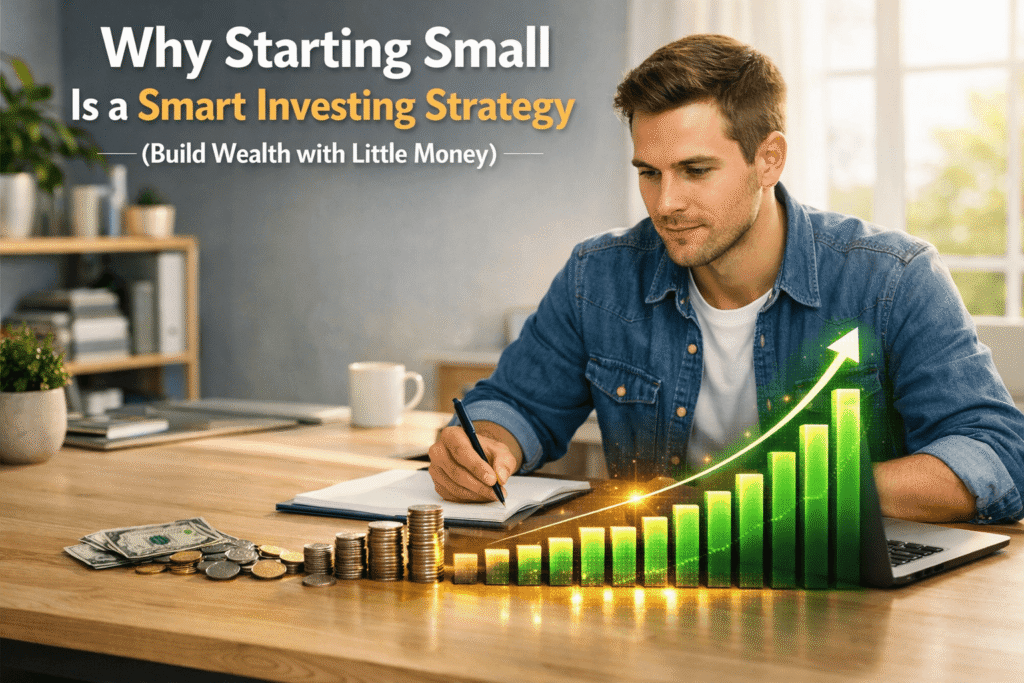
This is why starting small is not a disadvantage, it’s an advantage.
It removes the need to wait.
How to Build an Investment Habit
Building an investment habit doesn’t require complexity. It requires structure.
It begins with clarity, understanding why you’re investing in the first place. Whether it’s financial independence, long-term security, or simply creating options for your future, that clarity gives your actions meaning.
From there, the focus shifts to consistency.
You don’t need to start big. In fact, starting small often leads to better long-term results. It allows you to learn without pressure. To experience market movements without fear. To develop discipline without risking significant loss.
And then comes the most powerful shift, automation.
When investing becomes automatic, it removes hesitation. Your contributions happen whether you feel motivated or not. Progress continues quietly in the background.
Over time, this structure evolves into a system. And systems are what separate intention from results.
If you want to take this further, building a full financial structure around your habits changes everything. Read: How to Build a Financial Freedom System That Actually Works
Consistency: The Real Driver of Growth
Many people search for the perfect strategy.
- The perfect stock.
- The perfect timing.
- The perfect opportunity.
But long-term investors often rely on something much simpler, consistent investing.
- Consistency creates rhythm.
- Rhythm creates momentum.
- And momentum, given enough time, creates growth.
This is why successful investing rarely looks dramatic. It looks repetitive. Quiet. Almost boring.
But beneath that simplicity is something powerful, compounding at work.
And compounding doesn’t reward intensity. It rewards patience.
The Psychological Advantage of Starting Small
There’s something else most people overlook.
Starting small doesn’t just reduce financial risk, it builds emotional strength.
When your investments are small, you’re less likely to panic during market drops. Less likely to chase trends. Less likely to make impulsive decisions.
Instead, you observe. You learn. You adapt.
You begin to understand how markets behave, and more importantly, how you behave.
And over time, this emotional discipline becomes one of your greatest assets.
Because investing is not just about numbers. It’s about behavior.
Where Most Beginners Go Wrong
Most mistakes in investing aren’t complex. They come from simple patterns.
- Waiting too long to start.
- Stopping during market declines.
- Chasing quick profits instead of long-term growth.
- Investing inconsistently.
But all of these mistakes share the same root, short-term thinking.
Wealth, on the other hand, is built through long-term consistency.
And that consistency is reinforced by structure, discipline, and awareness.
If you want to strengthen this discipline further, managing your day-to-day money plays a bigger role than most people realize.
Read: Budgeting Methods for Beginners
The Bigger Picture
When you step back, investing becomes much simpler than it first appears.
- You don’t need perfect timing.
- You don’t need a large starting amount.
- You don’t need complex strategies.
What you need is a habit.
A small, repeatable action that continues regardless of circumstances.
Because when small savings are invested consistently, they begin to grow.
And when that growth is given enough time, it compounds.
And when compounding is allowed to do its work, something remarkable happens.
Small beginnings turn into real progress.
Real progress turns into meaningful wealth.
FAQ
Can I really build wealth with small investments?
Yes. Consistency and time matter far more than starting amount. Small investments, when compounded over years, can grow significantly.
How much should I start with?
Start with an amount you can invest consistently without disrupting your lifestyle. Even small amounts are effective when repeated over time.
How long does it take to see results?
Early growth may feel slow, but momentum typically becomes noticeable over several years as compounding accelerates.
What is the most important factor in investing success?
Consistency. More than timing, strategy, or starting amount, consistent investing drives long-term results.
Final Thoughts
The difference between people who build wealth and those who don’t isn’t income, it’s consistency.
And that consistency starts with a single decision.
Not a big one. Not a perfect one. Just a starting point.
Building an investment habit is what turns small savings into long-term wealth.
Because every strong investment portfolio you see today began the same way, with small contributions made consistently over time.
So don’t wait for the perfect moment.
- Start with what you have.
- Stay consistent.
- Let time do the heavy lifting.
Because one day, you may look back at the small steps you took, and realize they quietly became something far greater than you expected.