If you have ever wondered Saving vs Investing: What Should Beginners Do First, you are not alone.
It is one of the biggest questions in beginner investing. Some people focus only on saving and avoid investing completely. Others jump straight into investing without building any safety net.
Neither approach works well on its own. The real goal is to understand how saving and investing work together so you can build both stability and growth over time.
Here is the simple truth, you do not need to choose one, you need to start both the right way.
As someone trying to get their finances in order, you also need to learn budgeting methods for beginners: simple strategies to take control of your money, to compliment the saving vs investing knowledge.
Saving vs Investing What Should Beginners Do First

Let’s answer it clearly.
Start with saving, then begin investing as soon as possible.
That might sound simple, but the reason behind it matters.
Saving gives you protection. Investing gives you growth.
When you combine both, you create a strong financial foundation that supports long term progress.
Understanding Saving vs Investing
Before deciding what to do first, it helps to understand what each one actually does.
Saving means keeping money in a safe and accessible place. It protects you from unexpected expenses and gives you peace of mind.
Investing means putting your money into assets that can grow over time. It carries some risk, but it is essential for building wealth.
This is why Saving and Investing are not competitors. They are partners.
In simple terms:
- Saving protects you
- Investing grows you
Many beginners get stuck because they think investing replaces saving. It does not. They work together.
When Saving Should Come First
There are moments where saving is not just important, it is necessary.
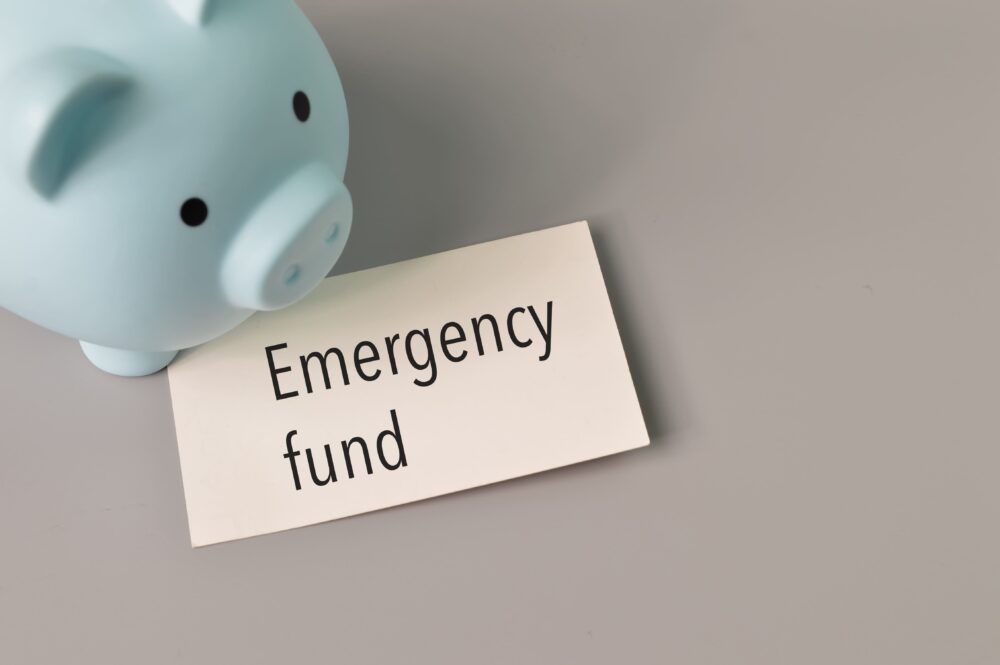
1. Build Your Emergency Fund First
Life is unpredictable. Expenses show up when you least expect them.
Without savings, you might be forced to sell investments at the wrong time or take on debt.
Start small. Even one month of expenses is a strong beginning. Then build toward three to six months over time.
How to build it:
- Calculate your essential monthly expenses
- Set a realistic monthly savings amount
- Automate transfers into a separate account
Treat it like a bill you must pay every month.
2. Focus on Short Term Goals
If you are planning something within the next few years, saving is usually the better choice.
Things like rent, travel, or buying a car should not be exposed to market risk.
Keep that money safe and accessible.
Why Saving Feels Hard
Saving sounds simple, but it is not always easy.
When money sits in your account, it is tempting to spend it. That is why automation matters so much.
Set it up once and let consistency do the work.
When Investing Should Come First
Once you have some financial stability, investing becomes essential.
1. Start Investing With Small Amounts
You do not need a lot of money to begin.
You can start investing with little money and still build momentum. Even small investments grow over time when combined with consistency.
If you are unsure how much to begin with, you can read how much beginners should invest each month to find a realistic starting point.
2. Investing Helps You Beat Inflation
Money sitting in savings slowly loses value over time.
Investing gives your money a chance to grow faster than inflation, which is key for long term investing.
Keep Your Investment Strategy Simple
A simple investment strategy works best for beginners.
Focus on:
- Index funds
- ETFs
- Diversified options
If you need structure, learning how to create a simple investment plan can help you stay consistent and avoid confusion.
How to Balance Saving and Investing
This is where everything comes together.
You do not have to wait until saving is perfect before you invest.
You can do both at the same time.
A Simple Starting Approach
- If you have no savings: focus mostly on saving
- Once you have a starter fund: split between saving and investing
- As your savings grow: increase your investing share
A common approach looks like this:
Start with 70 percent saving and 30 percent investing
Gradually move toward 30 percent saving and 70 percent investing
The key is flexibility. Your plan should grow with you.
A Real Life Example
Imagine you start with 50 each month.
At first, you focus on building your emergency fund. After a few months, you begin investing a portion.
You keep going.
You stay consistent even when progress feels slow.
Years later, your savings protect you during unexpected situations, and your investments begin to show real growth.
This is exactly why starting small is a smart investing strategy works so well in real life.
How to Stay Consistent With Both
Consistency matters more than anything else.
It is easy to start. It is harder to continue.
Here are a few simple ways to stay on track:
Automate everything so you do not rely on memory
Track progress monthly, not daily
Focus on long term financial growth, not short term changes
If you struggle with consistency, learning how to stay consistent when investing small amounts can make a huge difference.
Common Mistakes Beginners Make
Some patterns show up again and again.
Waiting too long to invest is one of the biggest ones. Time matters more than timing.
Another mistake is investing without any savings. That can lead to stress and poor decisions.
Some people also save too much and never invest, which limits growth.
Balance is what matters.
How to Decide Your Saving vs Investing Ratio
If you are still unsure, keep it simple.
Start by asking yourself three questions:
- Do I have any emergency savings?
- Do I have short term financial goals?
- Am I ready to invest consistently?
Based on your answers:
- If savings are low, prioritize building them first
- If you have some stability, begin splitting contributions
- If you are comfortable, increase your investment habit gradually
You can also estimate your future growth using your investment calculator to stay motivated.
FAQs
Saving vs investing what should beginners do first?
Start with a small emergency fund, then begin investing while continuing to grow your savings.
Can I save and invest at the same time?
Yes. In fact, balancing both is one of the smartest approaches for beginners.
How much should I start with?
Even small savings and small investments like 25 to 50 per month are enough to begin.
Is investing risky for beginners?
There is risk, but it becomes manageable with long term investing and diversification.
What happens if I only save and never invest?
Your money stays safe but may lose value over time due to inflation.
How do I stay consistent?
Automation, clear goals, and tracking progress help build a strong investment habit.
Final Thoughts
You do not need to choose perfectly between saving and investing.
You just need to start.
Saving gives you stability. Investing gives you growth. Together, they create something powerful.
Start small. Stay consistent. Adjust as you learn.
Even if it feels like a slow beginning, those small steps are building something bigger than you can see right now.
Keep going.