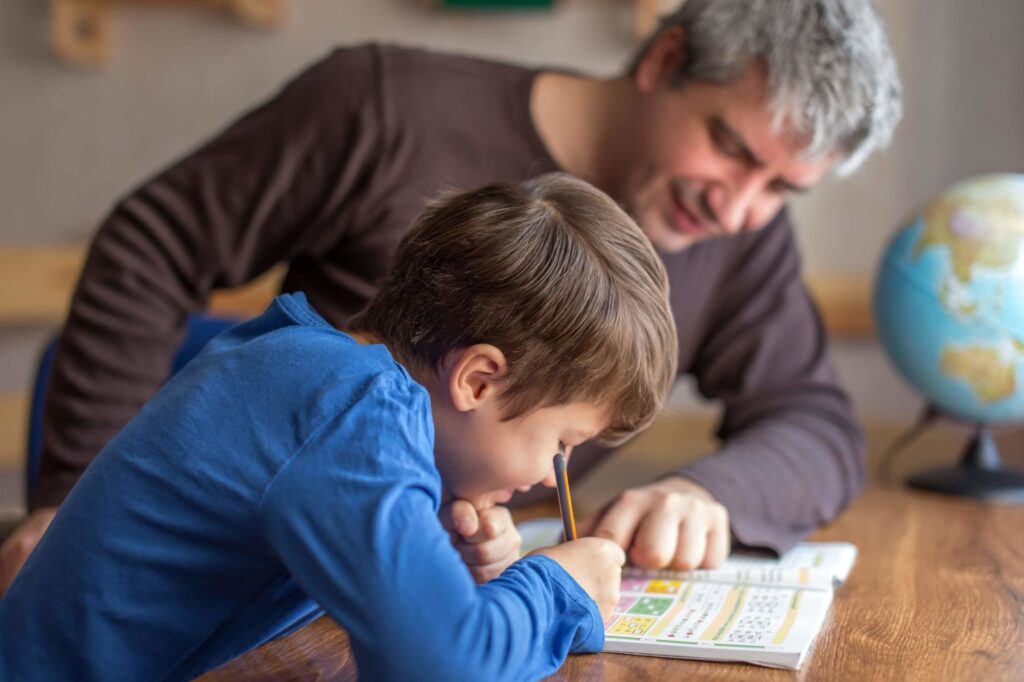
How to teach kids about money is simpler than most parents expect, and far more important than most realize. Children aren’t born confused about money. They become confused because nobody ever explains it to them in clear, practical terms they can actually use.
The adults who handle money well in their twenties and thirties usually got a head start. Not necessarily formal lessons, just parents who talked openly about money, gave them a little to manage, and let them feel the real difference between saving and spending. That early experience is worth more than any personal finance book they’ll read at 25.
These 6 lessons walk through how to teach kids about money at every age, from basic concepts like what money is and where it comes from to more practical skills like budgeting and saving goals. The goal isn’t to create financial prodigies. It’s to raise adults who aren’t starting from zero.
Why Teaching Kids About Money Matters

Providing financial education for children is one of the most important investments you can make in their future. When kids are taught about money early, they develop a sense of confidence and responsibility that carries into adulthood. Instead of feeling confused or overwhelmed by money later in life, they grow up understanding how it works and how to manage it effectively.
Without early guidance, many people learn about money through mistakes, overspending, poor saving habits, or lack of planning.
But when you focus on teaching kids about money from a young age, you give them a head start. They begin to see money as a tool they can control, rather than something that controls them. This is a key part of building financial literacy for kids in a practical and lasting way.
When kids understand money early, they:
- Develop better spending habits
They learn to think before they spend, making more intentional choices instead of acting on impulse. - Learn the importance of saving
Saving becomes a natural habit, not something they struggle to adopt later in life. - Avoid poor financial decisions later in life
With a strong foundation, they are less likely to fall into common financial traps like overspending or mismanaging money.
Beyond these benefits, teaching kids about money also helps them build discipline, patience, and decision-making skills. They begin to understand the value of earning, the importance of planning, and the reward of achieving financial goals.
This strong foundation prepares them for long-term financial independence and stability.
When Should You Start Teaching Kids About Money?
The best time to start teaching kids about money is as early as possible. Even at a young age, children can understand simple concepts like saving, spending, and making choices. These early lessons don’t need to be complicated, they just need to be clear and consistent.
As children grow, their understanding naturally improves. You can gradually introduce more advanced ideas such as budgeting, planning, and setting financial goals. For example, younger kids can learn through saving coins, while older kids can begin managing small amounts of money or allowances.
The key is to match the lesson to their age and level of understanding. Keeping things simple, practical, and consistent makes it easier for them to learn and apply what they’re taught. Over time, these small lessons build into strong money habits that stay with them for life.
Step-by-Step: How to Teach Kids About Money
Teaching kids about money doesn’t have to be complicated. The goal is to introduce simple concepts, reinforce them consistently, and allow kids to learn through real-life experience.
This step-by-step approach makes how to teach kids about money clear, practical, and effective.
Step 1: Start with the Basics of Money
Begin with the simplest concept: what money is and how it works. Explain that money is something we use to buy things we need and want.
Use everyday situations to make it real. For example, when you’re at a store, show them how you exchange money for items. Let them see prices, payments, and change.
Keep your explanation simple and relatable, avoid complex financial terms. The goal is to build a strong foundation for how to explain money to a child in a way they can easily understand.
Over time, this basic understanding helps them feel comfortable and confident around money instead of confused by it.
Step 2: Teach the Difference Between Needs and Wants
This is one of the most important lessons in simple money lessons for kids. Kids need to understand that not everything they want is something they need.
Use real-life examples to explain:
- Needs: food, clothing, school supplies
- Wants: toys, games, treats
You can turn this into a simple activity by asking them to sort items into the needs category and the wants category. This makes the lesson interactive and easier to remember.
This step teaches prioritization, which is a key skill in managing money wisely later in life.
Step 3: Introduce Saving Habits Early
Once kids understand spending, the next step is saving. Encourage them to set aside a portion of their money instead of spending everything at once.
You can use:
- A piggy bank
- Separate jars (save, spend, give)
Make saving exciting by setting small goals, like saving for a toy or a treat. When they reach that goal, they experience the reward of patience and discipline.
This habit is a core part of teaching kids about money because it helps them learn delayed gratification, an essential life skill.
Step 4: Let Them Practice with Real Money
Kids learn best by doing. Giving them small amounts of money to manage allows them to practice decision-making in a safe way.
Let them:
- Choose what to spend on
- Decide whether to save or spend
- Experience the outcome of their choices
It’s okay if they make small mistakes, that’s part of the learning process. These experiences teach responsibility and help them understand the consequences of their financial decisions.
This hands-on approach makes teaching kids about money more effective than just explaining concepts.
Step 5: Teach Simple Budgeting
Once they’re comfortable with saving and spending, introduce basic budgeting. Show them how to divide their money into categories like:
- Saving
- Spending
- Giving
This helps them understand that money should be planned, not just used randomly. It introduces structure and builds early financial discipline.
If you want a simple system to follow, 10 Money Habits Every Child Should Learn Before Age 18 can guide you in teaching this concept in an easy way.
Step 6: Lead by Example
Children learn more from what they see than what they’re told. Your daily habits play a huge role in shaping their understanding of money.
Show them how you:
- Budget your money
- Save regularly
- Make thoughtful spending decisions
When kids see these behaviors consistently, they begin to adopt them naturally.
Your actions reinforce everything you teach, making your lessons more powerful and long-lasting.
Simple Money Lessons for Kids (Practical Tips)
Teaching kids about money doesn’t have to be complicated or overwhelming. In fact, the simpler and more engaging your approach is, the more effective it becomes.
The goal is to make money lessons part of everyday life so children can naturally understand and apply them.
Here are some practical ways to make learning both fun and effective:
- Use real-life examples to explain money
Everyday situations, like shopping, paying bills, or saving for something, are perfect teaching moments. When kids see how money is used in real life, it becomes easier for them to understand its value and purpose. - Turn lessons into games or challenges
Kids learn faster when they’re having fun. You can create simple challenges like saving toward a goal, budgeting a small amount, or choosing between spending and saving. This keeps them engaged while reinforcing important habits. - Encourage questions and discussions
Let kids ask questions about money and answer them openly. This builds curiosity and helps them feel comfortable talking about finances instead of seeing it as a confusing or stressful topic. - Be patient and consistent
Learning about money is a gradual process. Kids won’t understand everything at once, and that’s okay. What matters most is consistency, repeating simple lessons over time so they become habits.
If you want to track spending as a family and make these lessons more structured, Budgeting Methods for Beginners: Strategies to Stay in Control of Your Money can help you stay organized and consistent.
Small, consistent lessons like these build confidence and help children develop a healthy relationship with money over time.
Common Mistakes to Avoid
While teaching kids about money, it’s just as important to avoid habits that can slow down their learning or create confusion.
- Making lessons too complex
Overloading kids with too much information can make money feel complicated. Keep explanations simple and age-appropriate so they can easily understand and apply what they learn. - Avoiding money conversations
Some people avoid talking about money, but this can leave kids unprepared. Open and honest conversations help normalize financial discussions and build confidence. - Not giving kids hands-on experience
Simply explaining money isn’t enough, kids need to practice. Without real-life experience, it’s harder for them to fully understand how money works. - Being inconsistent with teaching
Occasional lessons aren’t as effective as regular reinforcement. Consistency is what turns simple ideas into lasting habits.
Avoiding these mistakes makes the learning process smoother and more effective. Over time, kids become more confident, responsible, and capable of managing money on their own.
How Teaching Kids About Money Benefits Their Future
When you consistently focus on how to teach kids about money, you set them up for long-term success:
- They make smarter financial decisions
- They develop strong saving habits
- They understand the value of money
- They grow into financially responsible adults
These early lessons create a strong foundation for lifelong financial stability.
FAQs
At what age should I start teaching kids about money?
You can start as early as age 3-5 with simple concepts like saving and spending.
What are the best ways to teach kids about money?
Use real-life examples, give small allowances, and teach saving, spending, and budgeting step by step.
How do I explain money to a child?
Keep it simple, explain that money is used to buy things and must be managed wisely by saving and spending carefully.
Why is financial education for children important?
It helps kids develop good money habits early, avoid financial mistakes, and become responsible adults.
What are simple money lessons for kids?
Teaching needs vs wants, saving regularly, and making smart spending decisions are some of the most important lessons.
Final Thoughts
Learning how to teach kids about money doesn’t require complex systems, it simply requires consistency, patience, and the right approach. Small lessons taught regularly can have a lasting impact on a child’s future.
By focusing on financial education for children, you’re not just teaching them about money, you’re teaching them responsibility, discipline, and decision-making skills that apply to every area of life.
Over time, these lessons become habits, and those habits shape their financial future in powerful ways.
If you want to take it further, 15 Fun Financial Literacy Activities for Kids That Teach Real Money Skills can help you stay consistent and improve your overall financial system.