
Most parents don’t realize this, but the way kids learn about money determines whether they become wealthy or struggle financially later in life.
The good news? You don’t need complicated lessons.
The right books that teach kids about money can help your child understand saving, budgeting, earning, and even investing, without stress or confusion.
In this guide, you’ll discover 35 of the best financial literacy books for kids, carefully selected by age group, from beginners to teenagers.
Want your child to build strong money habits early? Start here: 10 Money Habits Every Child Should Learn Before Age 18 Don’t let them grow up financially unprepared.
Why Books Are a Great Way to Teach Financial Literacy
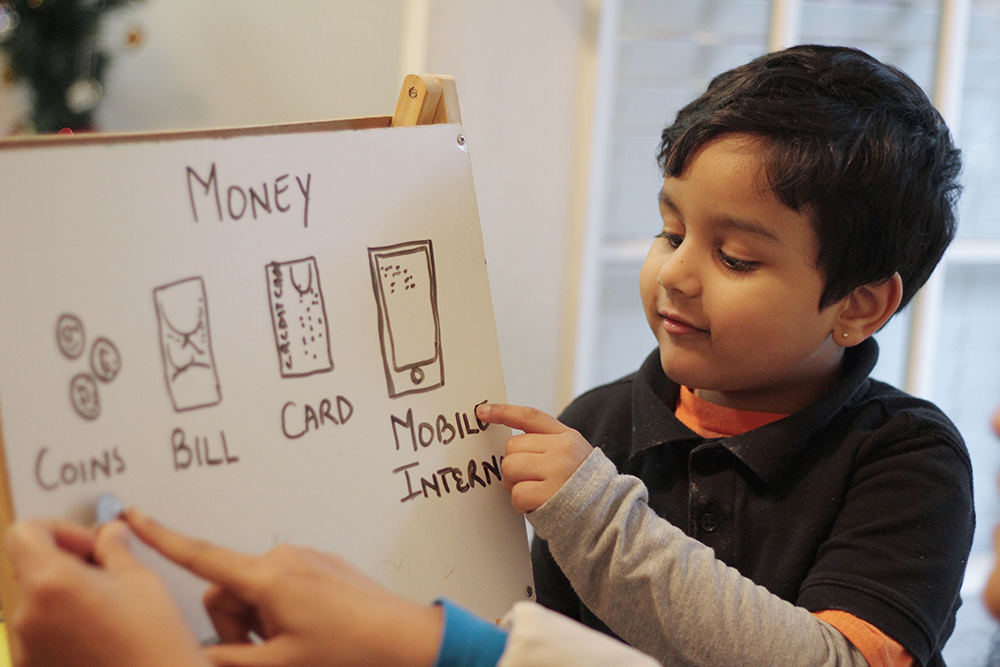
Books offer several advantages when teaching financial skills:
- Relatable Stories: Characters and situations help children understand abstract concepts like saving or investing.
- Interactive Learning: Many books include activities, questions, or challenges to reinforce lessons.
- Gradual Skill Building: Books allow children to progress from basic money ideas to more complex financial concepts.
- Safe Practice: Kids can explore consequences of financial decisions in a story without real-world risk.
Pairing reading with practical activities, like allowances or savings jars, strengthens a child’s understanding of money. For example, after reading a book on saving, children can implement their own savings plan, reinforcing the lesson learned.
Books turn complex financial ideas into simple, relatable lessons.
This is how parents start building real financial literacy early: Financial Freedom for Beginners (Where to Start)
Children’s Books By Age To Teach Kids About Money and Financial Literacy
Help your kids develop strong money skills with these books that teach kids a great deal about money and financial literacy.
| Age Group | Number of Books | Focus |
|---|---|---|
| Ages 4–7 | 10 | Saving, spending basics |
| Ages 8–12 | 10 | Budgeting, earning, discipline |
| Teens | 10 | Investing, mindset, independence |
| Advanced | 5 | Wealth-building principles |
Books That Teach Kids About Money for Age 4–7 (Foundation Stage)
1. Bunny Money
Max and Ruby learn that money runs out quickly when you don’t plan.
Money Lesson: Budgeting basics.
2. Curious George Saves His Pennies
George saves coins over time to buy something meaningful.
Money Lesson: Saving and patience.
Want your child to build strong saving habits early? Start here: How to Teach Kids to Save Money
3. Money Plan
A simple system showing saving, spending, and giving.
Money Lesson: Money allocation.
4. Alexander, Who Used to Be Rich Last Sunday
A boy spends all his money too quickly.
Money Lesson: Impulse control.
5. Rock, Brock, and the Savings Shock
Two brothers take different financial paths, only one benefits.
Money Lesson: Delayed gratification.
This is the same principle that grows wealth over time: The Power of Compound Interest: How Money Grows Over Time
6. Just Saving My Money
A child learns to resist spending and focus on saving goals.
Money Lesson: Discipline.
7. A Dollar for Penny
Shows how money is earned through effort.
Money Lesson: Earning money.
8. Earn It!
A bunny learns that money comes from working.
Money Lesson: Work = reward.
9. Save It!
Focuses on the importance of putting money aside.
Money Lesson: Saving consistency.
10. Spend It!
Teaches kids how to spend wisely without waste.
Money Lesson: Smart spending.
These financial literacy books for kids are designed to make money simple, practical, and easy to understand at every age.
Books That Teach Kids About Money Age 8–12 (Skill-Building Stage)
11. The Berenstain Bears’ Trouble with Money
Covers earning, saving, and spending decisions.
Money Lesson: Needs vs wants.
Teach your kids how to divide money properly: 50/30/20 Budget Rule: A Simple Guide to Managing Your Money
12. The Everything Kids’ Money Book
A fun guide covering all money basics.
Money Lesson: Financial literacy foundation.
13. Financial Peace Junior
Teaches budgeting, saving, and giving.
Money Lesson: Discipline and goals.
Build stronger habits early: Budgeting Methods for Beginners | Simple Strategies to Take Control of Your Money
14. Money Madness
Explains money through fun activities and stories.
Money Lesson: Understanding money systems.
15. A Smart Girl’s Guide: Money
Practical money advice tailored for young learners.
Money Lesson: Financial independence.
16. Kid’s Money Book
Covers real-life money usage and choices.
Money Lesson: Everyday money skills.
17. How to Turn $100 into $1,000,000
Encourages entrepreneurial thinking.
Money Lesson: Wealth creation.
Take it further: How to Build Multiple Streams of Income for Financial Freedom
18. Growing Money
Introduces saving and investing concepts.
Money Lesson: Money growth basics.
19. The Lemonade War
Kids run a small business and learn competition.
Money Lesson: Profit and pricing.
This is how business turns into income streams: How to Build Passive Income Streams
20. My First Guide to Money
Breaks down money in a simple, clear way.
Money Lesson: Financial basics.
At this stage, kids either build strong habits or struggle later, see: Simple Ways to Save Money Every Month
Books That Teach Teenagers About Money (Wealth-Building Stage)
21. The Teen Investor
A beginner’s guide to investing and compound interest.
Money Lesson: Long-term investing.
Understand how money multiplies: The Power of Compound Interest: How Money Grows Over Time
22. I Want More Pizza
Teaches prioritization and spending choices.
Money Lesson: Decision-making.
23. Smart Money Smart Kids
Covers earning, saving, and giving.
Money Lesson: Financial responsibility.
24. Rich Dad Poor Dad for Teens
Introduces assets vs liabilities.
Money Lesson: Wealth mindset.
Build the right mindset early: The Financial Freedom Mindset That Builds Wealth
25. Broke Millennial
Real-life financial advice for young adults.
Money Lesson: Avoiding debt.
Avoid common traps: 10 Money Mistakes That Destroy Wealth
26. The Motley Fool Investment Guide for Teens
Introduces stock investing.
Money Lesson: Investing basics.
Learn to keep more of your returns: Tax-Efficient Investing 101: How to Keep More of What You Earn
27. Get a Financial Life
Helps teens manage money independently.
Money Lesson: Money management.
28. The Opposite of Spoiled
Focuses on values and money behavior.
Money Lesson: Financial values.
29. Why Didn’t They Teach Me This in School?
Covers real-life financial skills missing in education.
Money Lesson: Practical finance.
30. Money Skills for Teens
Teaches budgeting, saving, and spending.
Money Lesson: Financial control.
Without these lessons, many people struggle financially, start here: Financial Freedom for Beginners | Where to Start
Advanced Books That Teach About Money (Level-Up Stage)
31. The Richest Man in Babylon
Classic lessons on saving and wealth building.
Money Lesson: Timeless principles.
Follow a proven path: Financial Freedom Roadmap (10 Steps to Achieve Financial Independence)
32. Think and Grow Rich
Focuses on mindset and wealth creation.
Money Lesson: Success psychology.
33. The Psychology of Money
Explains behavior and financial decisions.
Money Lesson: Money mindset.
Understand the bigger picture: Financial Independence vs Financial Freedom (Key Differences)
34. Your Money or Your Life
Focuses on financial independence and purpose.
Money Lesson: Life + money balance.
35. The Simple Path to Wealth
A simple guide to long-term investing.
Money Lesson: Financial independence strategy.
Create your own plan: How to Create a Personal Financial Freedom Plan
How to Effectively Use Books to Enhance Financial Learning
- Read Together: Reading with your child allows for discussion about financial concepts and questions in real time.
- Create Activities: Many books include exercises. Turn these into real-life projects like setting up a savings jar, budgeting allowance, or tracking spending.
- Discuss Lessons Learned: Ask children what they learned about money and how to apply it in daily life.
- Pair with Real-Life Practice: Encourage children to implement book lessons with allowances, saving goals, or spending choices.
For example, after reading Curious George Saves His Pennies, children can set up their own piggy bank to save toward a toy. Combining reading with experiences like allowances, budgeting and savings challenges reinforces the lessons and helps children develop strong financial skills.
FAQ: Books That Teach Kids About Money
What are the best books that teach kids about money?
The best books include Bunny Money, The Lemonade War, and Rich Dad Poor Dad for Teens, as they cover saving, earning, and investing in simple ways.
At what age should kids start learning about money?
Kids can start as early as age 4–5 with simple concepts like saving and spending.
Do financial literacy books really help children?
Yes, books make complex financial ideas simple and relatable, helping children build lifelong money habits.
Conclusion
Choosing the right books that teach kids about money is one of the smartest investments you can make in your child’s future.
Reading financial literacy books for kids, money books for children, and finance books for teenagers makes money concepts relatable, engaging, and memorable. Pairing these readings with practical experiences, like allowances or savings challenges, ensures that lessons stick and prepare children for lifelong financial success.
These financial literacy books for kids don’t just teach money, they shape mindset, habits, and long-term success.
If you want a complete roadmap, start here: How to Achieve Financial Independence: 10 Proven Steps to Financial Freedom
Then follow this proven system: The Financial Freedom Checklist (Step-by-Step) to attain financial freedom.
Start early. Stay consistent. And give your child a financial advantage most people never get.
Because kids who understand money early don’t struggle with it later.