Earning your first salary is exciting, it’s a major milestone that represents independence, hard work, and new opportunities. But while most people focus on how much they earn, very few pay attention to what they actually do with that money. And that’s where the real difference is made.
If you truly want to understand how to build wealth from your first salary, you need more than motivation or good intentions, you need a clear system. A system helps you manage your money consistently, make smarter financial decisions, and avoid the common mistakes that keep people stuck financially.
Starting early gives you a powerful advantage. The habits you build with your first paycheck often shape your financial future for years to come. When you learn how to manage your first salary wisely, save consistently, and invest even small amounts, you give your money time to grow through compounding.
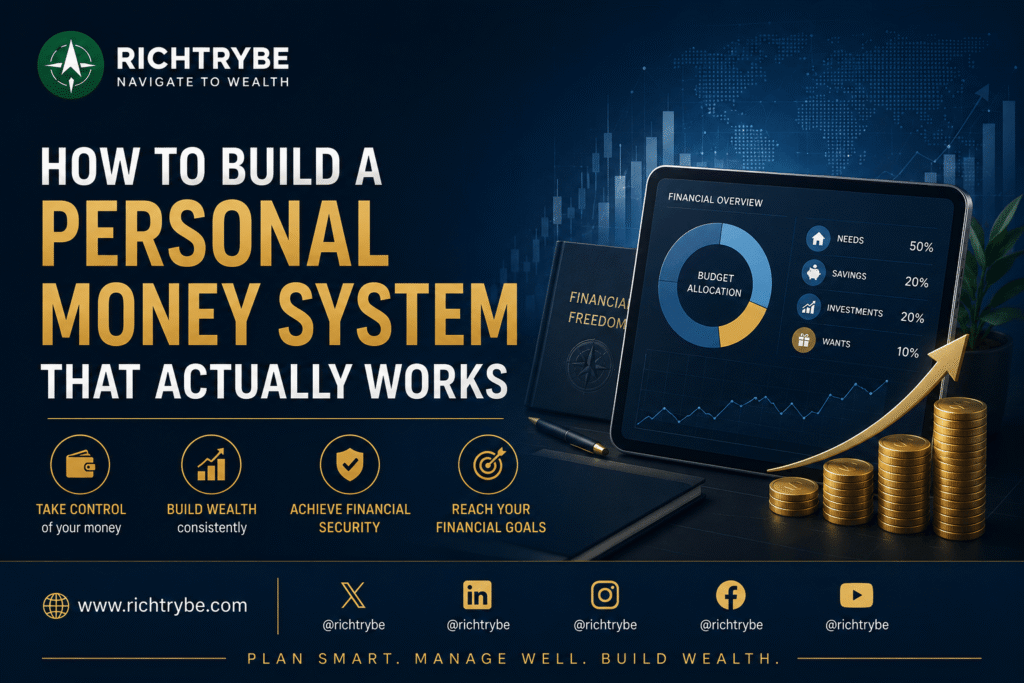
That’s why building a strong financial foundation from day one is so important. And if you want a complete framework to guide your decisions, How to Build a Personal Money System That Actually Works will show you exactly how to structure your income, automate your savings, and build a system that supports long-term wealth.
How to build wealth from your first salary

To build wealth from your first salary, start by budgeting your income, saving consistently, and investing early. Focus on building strong financial habits, avoiding unnecessary expenses, and creating a simple system that allows your money to grow over time.
This guide is for:
- First-time earners
- NYSC members / fresh graduates
- Anyone earning their first consistent income
Why Your First Salary Matters More Than You Think
Your first income does more than just pay your bills, it sets the tone for your entire financial life. The way you handle this stage often determines whether you struggle with money later or build a solid path toward financial freedom.
When you start to build wealth from your first salary, you’re not just saving money, you’re building habits that compound over time. You begin to:
- Create strong financial habits that stick
- Avoid unnecessary debt and poor money decisions
- Develop discipline early in your journey
- Give your money more time to grow through compounding
These early actions may seem small, but they create long-term impact. The earlier you learn how to manage your first salary wisely, the easier it becomes to stay consistent as your income grows.
At the end of the day, wealth isn’t about how much you earn, it’s about how well you manage what you earn. And getting that right from your very first paycheck gives you an advantage most people overlook.
7 Smart Money Moves to Build Wealth From Your First Salary
Before jumping into specific steps, it’s important to understand this: building wealth doesn’t start with a high income, it starts with the right structure.
Most people don’t fail financially because they earn too little. They struggle because they don’t have a clear plan for their money. Without a system, it’s easy to spend impulsively, save inconsistently, and delay investing.
If you truly want to learn how to build wealth from your first salary, these steps will help you create a simple, practical system you can follow from day one.
Quick Summary
- Create a budget
- Pay yourself first
- Build an emergency fund
- Start investing early
- Avoid lifestyle inflation
- Learn money habits
- Set clear goals
Step #1: Create a Simple Budget First
If you want to master how to manage your first salary wisely, start by understanding exactly where your money is going.
A budget doesn’t restrict you, it gives you control.
Split your income into:
- Needs (rent, food, transport, bills)
- Wants (entertainment, lifestyle, eating out)
- Savings & investments (your future)
When you don’t plan your money, it disappears without direction. But when you budget, every naira (or dollar) has a purpose.
Why this matters:
A clear budget helps you avoid overspending, prioritize what matters, and build consistency from the beginning.
Step #2: Pay Yourself First
Before you spend on anything else, save first.
If you’re serious about how to save and invest your first salary, this habit is non-negotiable.
Set aside a percentage immediately after you get paid, even if it’s small.
Why this works:
Saving first removes the temptation to spend everything. Over time, this builds discipline and ensures you’re always making progress.
To make this easier, learn How to Automate Your Savings System this shows you how to save consistently without relying on willpower.
Step #3: Build an Emergency Fund
Life is unpredictable. Expenses will come up when you least expect them.
An emergency fund helps you:
- Stay financially stable during surprises
- Avoid borrowing or going into debt
- Keep your investments untouched
Target:
Save at least 3–6 months of essential expenses.
Why this matters:
Without this safety net, one emergency can wipe out your progress.
Step #4: Start Investing Early (Even Small)
You don’t need a big salary to start investing, you just need to start.
If you want to grow faster, focus on how to save and invest your first salary by putting small amounts into:
- Stocks
- ETFs
- Index funds
Why this matters:
Time is your biggest advantage. The earlier you start, the more compounding works for you.
Even small investments today can grow significantly over time.
Step #5: Avoid Lifestyle Inflation
One of the biggest traps is increasing your spending as soon as you start earning.
New income often leads to:
- More spending
- Upgraded lifestyle
- Less saving
If your goal is to build wealth from your first salary, you must control this.
Why this matters:
If your expenses grow as fast as your income, you’ll never build wealth, no matter how much you earn.
Spend intentionally, not emotionally.
Step #6: Learn Basic Money Habits
Wealth isn’t built by luck, it’s built through consistent habits.
To manage your first salary wisely, focus on learning:
- Budgeting basics
- Saving discipline
- Investment fundamentals
Why this matters:
The more you understand money, the better decisions you make.
Understanding The Psychology of Money Habits will help you control spending and build long-term consistency.
Step #7: Set Clear Financial Goals
If you don’t know what you’re working toward, money gets wasted.
Set clear goals like:
- Saving a specific amount
- Investing monthly
- Building long-term wealth
- Achieving financial independence
Why this matters:
Clarity creates direction. Direction creates consistency.
When you know what to do with your first salary, every financial decision becomes easier and more intentional.
Simple First Salary Allocation Strategy
A simple way to start is by giving your money a clear structure. Instead of spending randomly, you can follow a basic split:
- 50% → Needs (rent, food, bills)
- 30% → Wants (lifestyle, entertainment)
- 20% → Savings & Investments
This approach helps you manage your first salary wisely without overcomplicating things. It ensures you’re covering your essentials, enjoying your income, and still making progress toward your future.
If you’re serious about learning how to build wealth from your first salary, the exact percentages matter less than consistency. You can always adjust the split based on your situation, but the key is making saving and investing a regular habit.
| Category | Percentage | Purpose |
|---|---|---|
| Needs | 50% | Essentials like rent & food |
| Wants | 30% | Lifestyle & enjoyment |
| Savings & Investments | 20% | Future wealth building |
Common Mistakes to Avoid
As you start your journey, it’s just as important to know what not to do.
When learning how to build wealth from your first salary, avoid these common mistakes:
- Spending everything you earn: leaves nothing for your future
- Not saving at all: makes it harder to build any financial cushion
- Delaying investing: reduces the power of compounding
- Following peer pressure: leads to unnecessary spending
- Ignoring financial education: keeps you stuck making the same mistakes
These may seem small at first, but over time, they can slow down your progress and make it harder to build wealth. Avoiding them early puts you in a much stronger position financially.
Build Wealth From Your First Salary FAQ
What should I do with my first salary?
Start by budgeting, saving a portion, and setting clear financial goals before spending.
How much should I save from my first salary?
A good starting point is 10–20%, but consistency matters more than the exact percentage.
Can I invest with a small salary?
Yes, you can start small with stocks, ETFs, or index funds and grow over time.
How do I manage my first salary wisely?
Track your expenses, avoid unnecessary spending, and prioritize saving and investing.
Why is it important to start early?
Starting early gives your money more time to grow through compounding.
Final Thoughts
Building wealth from your first salary isn’t about earning more, it’s about using what you already have wisely.
Start small, stay consistent, and focus on building the right habits early. Over time, those small, disciplined actions can grow into something much bigger.
The key is not perfection, but consistency. When you stick to a simple system, saving, investing, and managing your money becomes easier and more natural.
And if you’re currently struggling to stay on track with your finances, How to Stop Living Paycheck to Paycheck can help you regain control and build a stronger foundation for long-term growth.