
Managing money can feel overwhelming, especially if you’ve never kept track of your spending. Without a plan, it’s easy to overspend, fall into debt, or struggle to save for your goals. That’s why understanding budgeting methods for beginners is essential. A clear system can help you see where your money goes, make intentional choices, and build financial confidence.
Whether you’re trying to save for a trip, pay off debt, or just get better control over your finances, learning simple budgeting methods and personal budgeting strategies is the first step toward financial freedom.
If you’re completely new to budgeting, you may also want to start with The 50/30/20 Budget Rule Explained, which is one of the simplest ways to organize your income and expenses.
This guide explains the most popular budgeting systems, how they work, and how to start budgeting effectively.
What Is Budgeting and Why Beginners Struggle
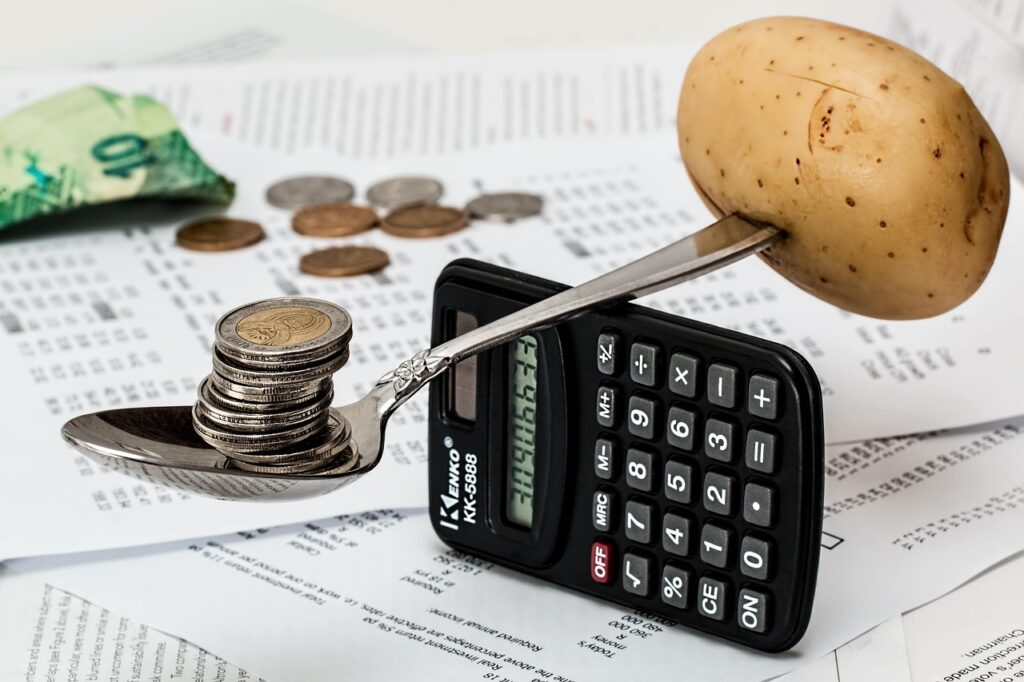
Budgeting is the process of planning how to use your money each month. It helps you cover your essential expenses, enjoy life, save for the future, and prepare for unexpected emergencies.
Beginners often struggle because:
- They don’t track spending consistently
- They set unrealistic goals or percentages
- Budgets feel restrictive or complicated
- They aren’t sure which method fits their lifestyle
The good news is that budgeting doesn’t have to be complicated. There are beginner budgeting tips and personal budgeting strategies that are simple, flexible, and effective.
Popular Budgeting Methods for Beginners
Here are some of the most common budgeting systems, explained in a way that anyone can follow.
1. 50/30/20 Rule
The 50/30/20 rule divides your income into three categories: 50% for needs, 30% for wants, and 20% for savings.
How it works:
- Needs (50%): Rent, groceries, utilities, transportation
- Wants (30%): Dining out, entertainment, shopping
- Savings (20%): Emergency fund, retirement, debt payments
Why it’s good for beginners: Easy to understand, flexible, and encourages saving while still letting you enjoy money.
Learn more: The 50/30/20 Budget Rule Explained
2. Zero-Based Budgeting
Zero-based budgeting assigns every dollar a purpose. Your income minus expenses equals zero at the end of the month.
How it works:
- List all income for the month
- Assign every dollar to an expense, savings, or debt payment
- Adjust until every dollar has a job
Why it’s good for beginners: Provides complete control and helps prevent overspending.
3. Envelope Budgeting
Envelope budgeting uses cash envelopes for spending categories. Once the cash in an envelope is gone, you don’t spend any more in that category.
How it works:
- Identify your spending categories (food, entertainment, gas)
- Allocate cash to each category at the start of the month
- Track spending by using only the cash in each envelope
Why it’s good for beginners: Visual and tangible method that helps prevent overspending.
4. Pay-Yourself-First Budgeting
Pay-yourself-first budgeting focuses on saving first before spending on anything else.
How it works:
- Automatically transfer a set percentage or amount of your income to savings or investments
- Spend what remains on bills and wants
Why it’s good for beginners: Builds savings habit and prioritizes financial security.
5. Percentage Budgeting
Percentage budgeting is a flexible approach that assigns different percentages to categories based on your goals.
How it works:
- Decide what percentages of income go to needs, wants, savings, and debt
- Track spending to stay within each percentage
- Adjust percentages as needed
Why it’s good for beginners: Flexible and customizable for varying incomes and expenses.
6. Line-Item Budgeting
Line-item budgeting lists every expected income and expense for the month, item by item.
How it works:
- Create a spreadsheet with all income and anticipated costs
- Check off items as you pay
- Adjust for unexpected expenses
Why it’s good for beginners: Gives a detailed view of money flow and is very accurate.
7. Reverse Budgeting
Reverse budgeting starts with your financial goals and works backward.
How it works:
- Decide how much you want to save each month
- Subtract savings and fixed bills from your income
- Spend the remainder on wants and variable expenses
Why it’s good for beginners: Focuses on achieving financial goals first.
Comparing the Methods
| Method | Best For | Ease of Use | Flexibility | Savings Focus |
|---|---|---|---|---|
| 50/30/20 Rule | Beginners, simple system | High | Moderate | Moderate |
| Zero-Based Budgeting | Control freaks, debt payers | Moderate | Low | High |
| Envelope Budgeting | Cash spenders | Moderate | Low | Moderate |
| Pay-Yourself-First | Savers | High | High | High |
| Percentage Budgeting | Customizable budgets | High | High | Moderate |
| Line-Item Budgeting | Detail-oriented | Moderate | Moderate | Moderate |
| Reverse Budgeting | Goal-focused | High | Moderate | High |
For most beginners, the 50/30/20 rule or pay-yourself-first method works best because they are simple, flexible, and encourage savings without overwhelming you with details.
Step-by-Step Instructions for Starting a Budget
- Track Your Income: Note your take-home pay and any side income.
- List Expenses: Categorize everything as needs, wants, or savings.
- Choose a Budgeting Method: Pick a system that matches your lifestyle.
- Allocate Money: Divide income according to the chosen method.
- Automate Savings: Set up automatic transfers for savings or debt payments.
- Track Spending: Use apps, spreadsheets, or cash envelopes to stay accountable.
- Adjust Monthly: Life changes; adjust your budget to stay on track.
Practical Beginner Budgeting Tips
- Start small; even tracking one month gives clarity
- Automate savings to make budgeting easier
- Review subscriptions and recurring charges regularly
- Avoid impulse purchases by waiting 24 hours before spending
- Combine budgeting methods if needed (e.g., 50/30/20 + envelope system)
- Set realistic goals to avoid frustration
Printable Budgeting Methods Chart for Beginners
This printable chart is designed for beginners to quickly compare systems, see pros and cons, and decide which method fits their lifestyle. You can export this as a PDF or print it directly.
| Budgeting Method | How It Works | Pros | Cons | Best For |
|---|---|---|---|---|
| 50/30/20 Rule | Divide income: 50% needs, 30% wants, 20% savings | Simple, easy to follow, flexible | Not ideal for high expenses or debt-heavy situations | Beginners, people who want balance without stress |
| Zero-Based Budgeting | Every dollar gets assigned a job until income minus expenses = $0 | Full control, reduces overspending | Time-consuming, needs detailed tracking | People who want maximum control and accountability |
| Envelope Budgeting | Use cash envelopes for spending categories | Visual, prevents overspending | Less flexible, harder with digital payments | Cash users, those who overspend in certain categories |
| Pay-Yourself-First | Save a fixed amount first, spend the rest | Builds savings habit quickly, prioritizes financial goals | Needs discipline to limit spending afterward | Savers, people starting emergency funds or retirement |
| Percentage Budgeting | Allocate income to categories by percentages | Flexible, customizable | Can be hard to calculate for irregular income | Those with fluctuating income or multiple goals |
| Line-Item Budgeting | List all income and expenses line by line | Detailed, accurate | Time-consuming, may feel restrictive | Detail-oriented people, those tracking every dollar |
| Reverse Budgeting | Start with savings goals, allocate remaining income to spending | Goal-focused, encourages savings | May feel restrictive for wants | People with clear financial goals |
Tips for Using the Chart:
- Highlight the methods you’re most interested in and start with one
- Combine methods if needed (e.g., 50/30/20 with envelopes for variable spending)
- Keep the chart visible while budgeting to stay on track
- Update it as your financial situation changes
FAQs
What is the best budgeting method for beginners?
The 50/30/20 rule and pay-yourself-first budgeting are easiest to start with because they are simple, flexible, and promote saving.
How do I start budgeting if I’ve never tracked my money?
Track all income and expenses for one month, then choose a budgeting method to allocate your money intentionally.
Can I combine budgeting methods?
Yes. For example, you can use the 50/30/20 rule for allocation and envelopes for variable spending categories.
How often should I adjust my budget?
Review your budget monthly or whenever your income, bills, or goals change.
What if I have a low income?
Focus on prioritizing needs and savings first. Even small contributions to savings help over time.
Final Thoughts
Choosing the right budgeting system makes managing money easier and less stressful. Budgeting methods for beginners like the 50/30/20 rule, zero-based budgeting, and pay-yourself-first give you structure while still being flexible enough to enjoy life.
Start by tracking your income, selecting a method, and adjusting as needed. Over time, these personal budgeting strategies help you reduce stress, pay off debt, and grow savings.
If you want to take the next step after creating a budget, you might find it helpful to learn How to Save Money Fast on a Low Income or start building financial security with How to Build an Emergency Fund.
What small step can you take today to start your first budget and feel more in control of your finances?