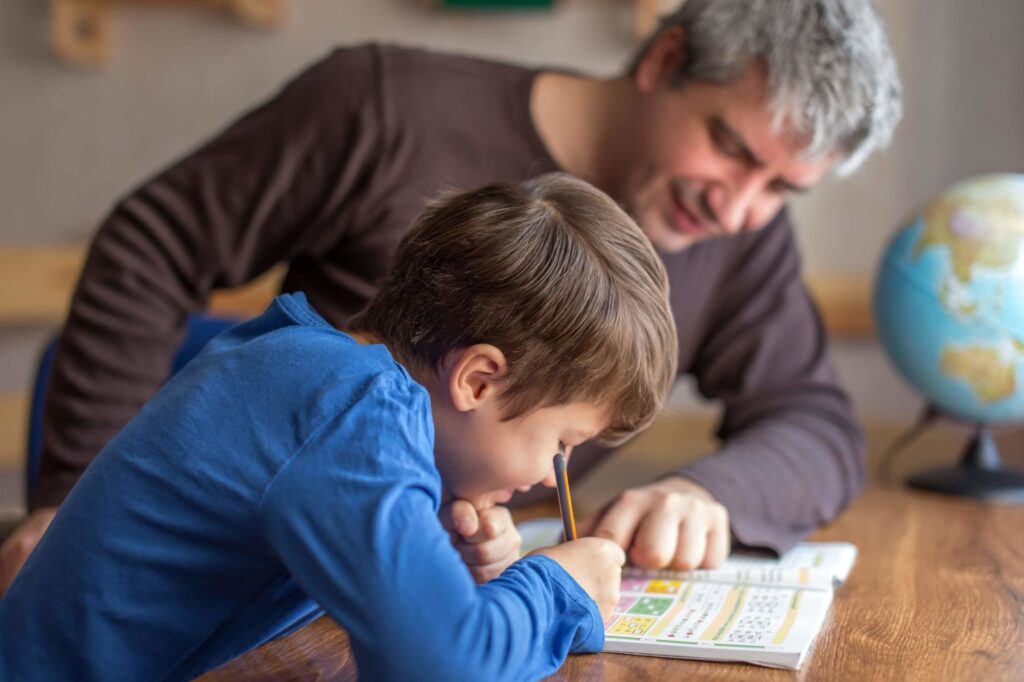
Teaching children money habits for kids early is one of the most valuable life skills a parent can provide. Developing good financial habits helps children grow into responsible adults who make smart money decisions and achieve financial independence.
The habits we develop as kids often shape our adult behavior. By instilling money habits for kids early, parents can ensure their children grow into financially responsible adults who understand the value of money, the importance of planning, and the benefits of disciplined spending.
In this article, we’ll explore 10 essential money habits every child should learn before age 18, explain why each habit matters, and provide practical examples parents can use to teach these skills at home.
Money Habits Every Child Should Learn Before Age 18

Explored below are the 10 money habits children should learn before 18.
1. Paying Yourself First: A Key Money Habit for Kids
What It Means
Paying yourself first is the habit of setting aside a portion of money for savings before spending. This is one of the most essential money habits for kids.
Why It Matters
Children who learn this habit prioritize saving, build emergency funds, and start thinking about long-term financial goals.
Practical Example
Encourage your child to save 10–20% of allowance, birthday money, or earnings from chores before spending the rest. Use a clear jar or separate bank account to make savings tangible.
2. Saving Before Spending: Teaching Good Financial Habits
What It Means
Saving before spending reinforces good financial habits and teaches delayed gratification.
Why It Matters
Kids who save first are less likely to make impulsive purchases and more likely to reach bigger goals, like buying a bike, game, or contributing to college savings.
Practical Example
Create a “savings goal chart” for a specific item. Every time your child receives money, add a portion to savings. Celebrate when the goal is achieved to reinforce patience and discipline.
3. Budgeting: Essential Financial Habits Children Should Learn
What It Means
Budgeting teaches children to allocate money for savings, spending, and giving while staying within limits. It’s a foundational skill in financial habits children should learn.
Why It Matters
Budgeting prevents overspending, encourages planning, and develops the ability to prioritize needs over wants.
Practical Example
Provide a small monthly allowance and help your child divide it into categories: savings, spending, and giving. Track it using a notebook or simple app, and review weekly.
4. Avoiding Impulse Buying: Money Habits for Kids
What It Means
Impulse buying is spending without thinking. Teaching children to pause before purchasing is an important money habit for kids.
Why It Matters
Avoiding impulse purchases builds self-control, financial discipline, and reinforces the value of money.
Practical Example
Use the “24-hour rule”: wait a day before buying non-essential items. Discuss whether the item is a need or want, and praise thoughtful choices.
5. Setting Financial Goals: A Good Financial Habit
What It Means
Kids should set short-term and long-term financial goals. This is a good financial habit that fosters planning and accountability.
Why It Matters
Goal-setting teaches focus, patience, and responsibility. Children feel accomplishment when they achieve their goals.
Practical Example
Help your child write one short-term, one medium-term, and one long-term financial goal. Track progress with a chart and celebrate milestones.
6. Tracking Spending: Financial Habits Children Should Learn
What It Means
Tracking spending allows children to see where their money goes and spot patterns.
Why It Matters
This habit develops accountability, awareness, and smarter financial decision-making.
Practical Example
Keep a spending notebook or digital log. Review weekly, categorize items as needs, wants, or savings, and discuss improvements.
7. Understanding Needs vs Wants: Money Habits for Kids
What It Means
Distinguishing between essentials (needs) and non-essentials (wants) is a critical money habit for kids.
Why It Matters
It helps children prioritize spending, avoid overspending, and make thoughtful decisions.
Practical Example
Play a sorting game with a list of items, categorizing them as needs or wants. Discuss why each item belongs in its category.
8. Responsible Credit Use: A Good Financial Habit
What It Means
Older teens should learn about borrowing, interest, and repayment, an essential good financial habit.
Why It Matters
Responsible credit use prevents debt, teaches interest awareness, and builds a good credit history.
Practical Example
Simulate borrowing scenarios with apps or hypothetical exercises. Discuss late payment consequences and fees.
9. Giving and Sharing: Financial Habits Children Should Learn
What It Means
Giving a portion of money to charity or family is an important financial habit children should learn.
Why It Matters
Giving promotes gratitude, empathy, and social responsibility while reinforcing the value of money.
Practical Example
Encourage kids to donate part of their allowance or earnings. Let them choose the recipient and discuss the impact.
10. Reviewing and Adjusting Financial Habits: Money Habits for Kids
What It Means
Regularly reviewing spending, savings, and goals ensures children maintain money habits for kids.
Why It Matters
Reflection builds accountability, problem-solving skills, and long-term financial awareness.
Practical Example
Hold a monthly review of spending, savings, and goals. Discuss successes, challenges, and adjustments.
Practical Tips for Parents Teaching Financial Habits
- Lead by example: Model responsible budgeting, saving, and spending.
- Use visual tools: Savings jars, charts, and apps make habits tangible.
- Start small: Introduce habits gradually.
- Make it fun: Incorporate games, challenges, and simulations.
- Reinforce positively: Praise goal achievement and smart choices.
FAQ: Money Habits for Kids
At what age should children start learning money habits?
Children can start learning basic money habits as early as age 4–5 with simple activities like sorting coins, saving allowance, and playing store.
What are some good financial habits children should learn?
Key habits include paying yourself first, saving before spending, budgeting, avoiding impulse buys, setting financial goals, tracking spending, understanding needs vs. wants, responsible credit use, giving, and reviewing habits.
How can parents make financial lessons fun?
Use interactive activities such as money games, chore-based earnings, savings challenges, and goal-tracking charts. Making money tangible and rewarding engages children effectively.
How often should kids practice money habits?
Consistent practice is important. Weekly reviews, allowance discussions, and goal check-ins are effective ways to reinforce habits over time.
Why is learning financial habits before 18 important?
Developing financial skills in childhood prepares children for adulthood. They become responsible spenders, savers, and decision-makers, reducing the risk of debt and financial stress later in life.
Final Thoughts
By teaching these 10 essential money habits, parents can help children build a strong foundation for financial success.
Instilling financial habits children should learn empowers them to make thoughtful decisions, reach their goals, and grow into financially responsible adults.
For more practical ways to teach your children about money, link to your related article: 15 Fun Financial Literacy Activities for Kids That Teach Real Money Skills.